Plantation Shutter Maintenance: Long-Term Care for Victorian Terraces and Farmhouse Conversions
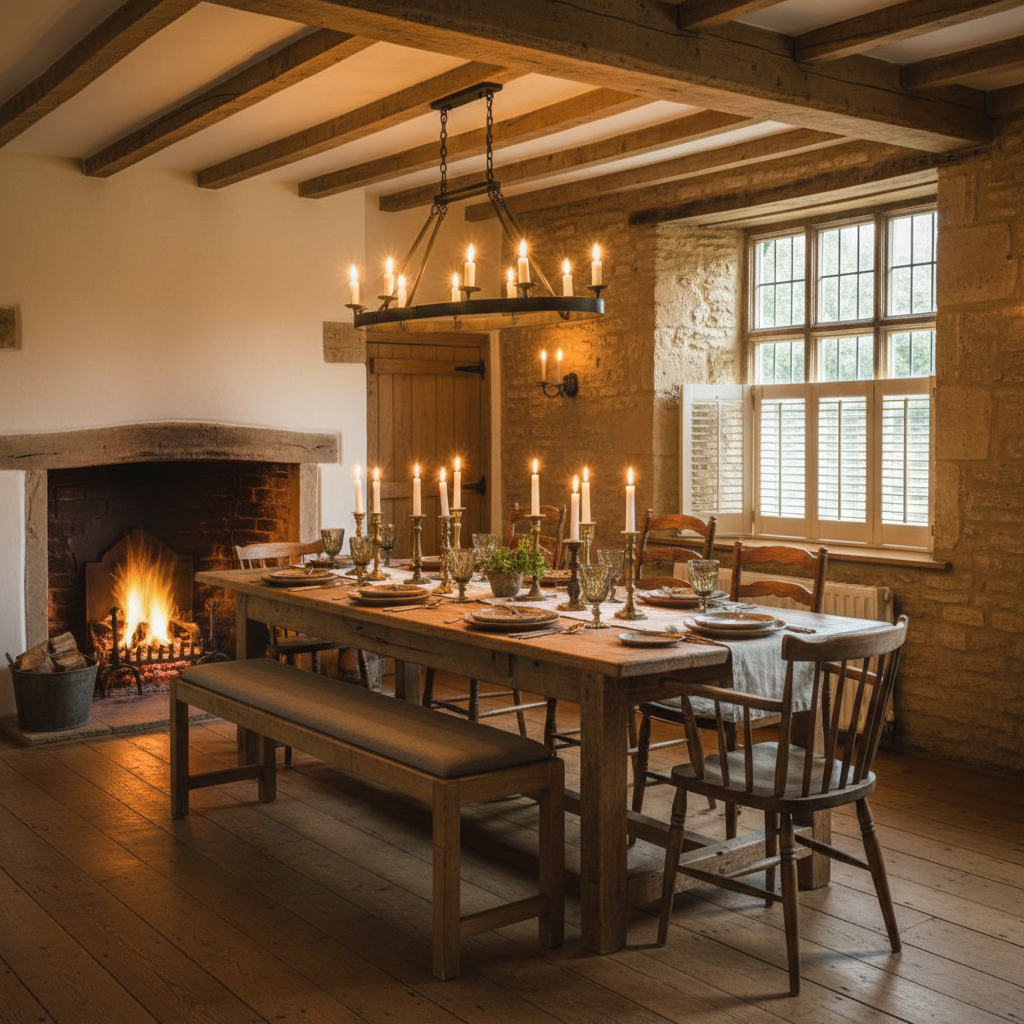
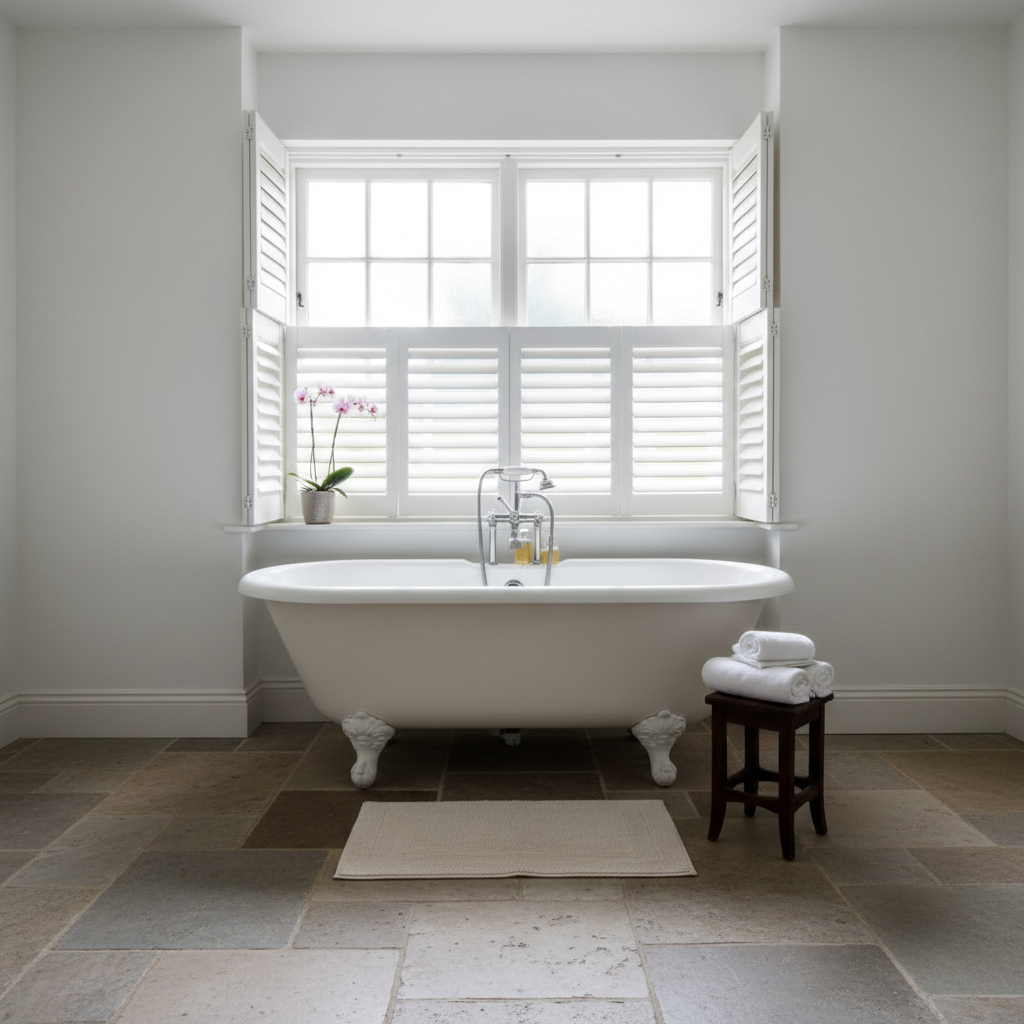
For homeowners in Gloucestershire, from the charming Victorian terraces of Longlevens to the rustic, converted farmhouses scattered near Chipping Campden, plantation shutters are more than just window dressings—they are an investment in character and thermal efficiency. To keep your shutters functioning perfectly, regular plantation shutter maintenance tips are essential. The primary rule for long-term care is simple: keep them clean and dry. Dust your slats weekly with a soft microfibre cloth or a vacuum brush attachment. If you encounter sticky marks, a slightly damp, lint-free cloth is sufficient. Avoid harsh chemical cleaners, as these can strip the finish or cause discolouration, especially on premium hardwood shutters.
How to Repair Plantation Shutters: Simple Fixes for Gloucestershire Homes
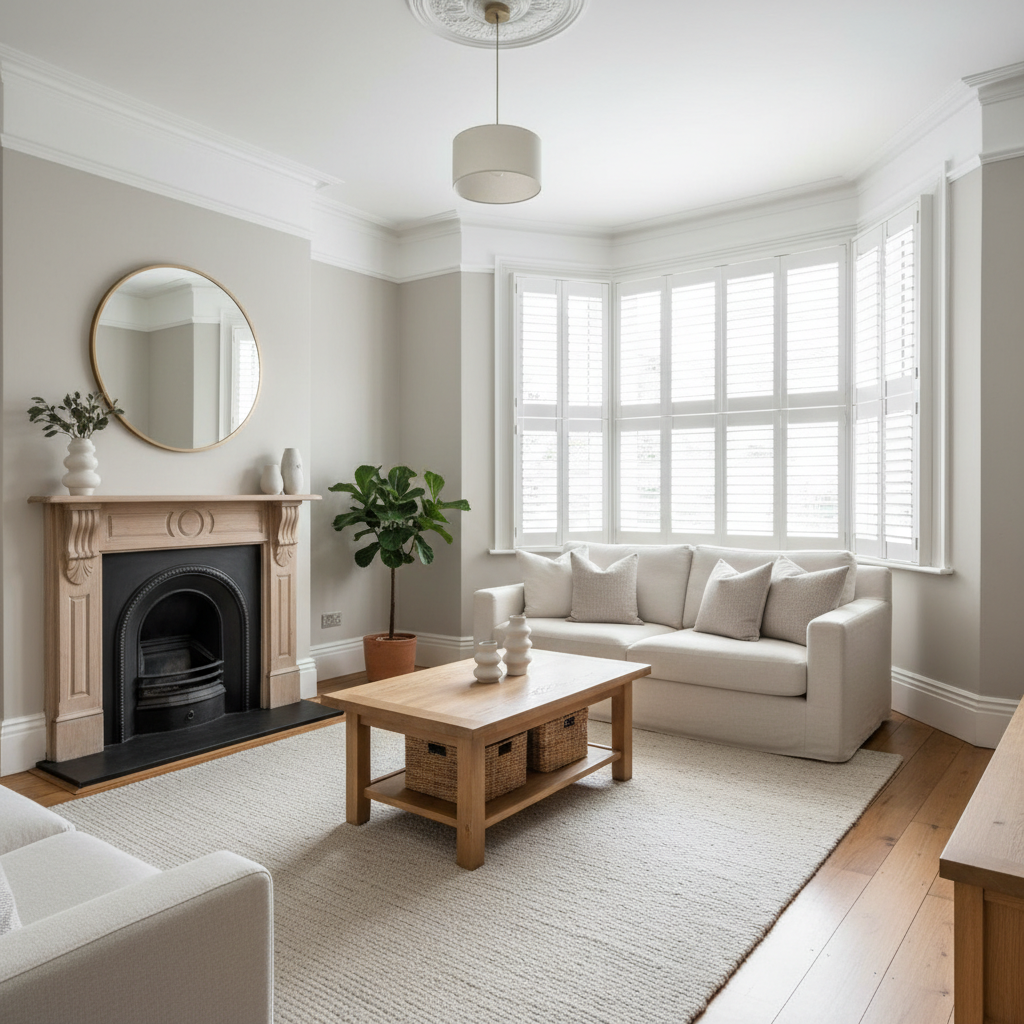
Even the highest quality shutters can occasionally show signs of wear. Knowing how to repair plantation shutters can save you time and preserve your interior aesthetics. If you notice a loose louvre, check the tension screw located on the side of the shutter panel. Most modern shutters feature a tension adjustment screw that can be tightened with a standard Phillips screwdriver; a quick quarter-turn is often all it takes to restore smooth movement. For Victorian terraces in areas like the Tredworth or Kingsholm, where older window frames may shift slightly due to the property's age, ensure the shutter frame remains square. If a panel begins to sag, ensure the hinges are tightened; if the holes have stripped, a simple wooden filler can often provide the grip needed for the screw to bite again.
Shutter Upkeep for Period Properties in Tewkesbury and Beyond
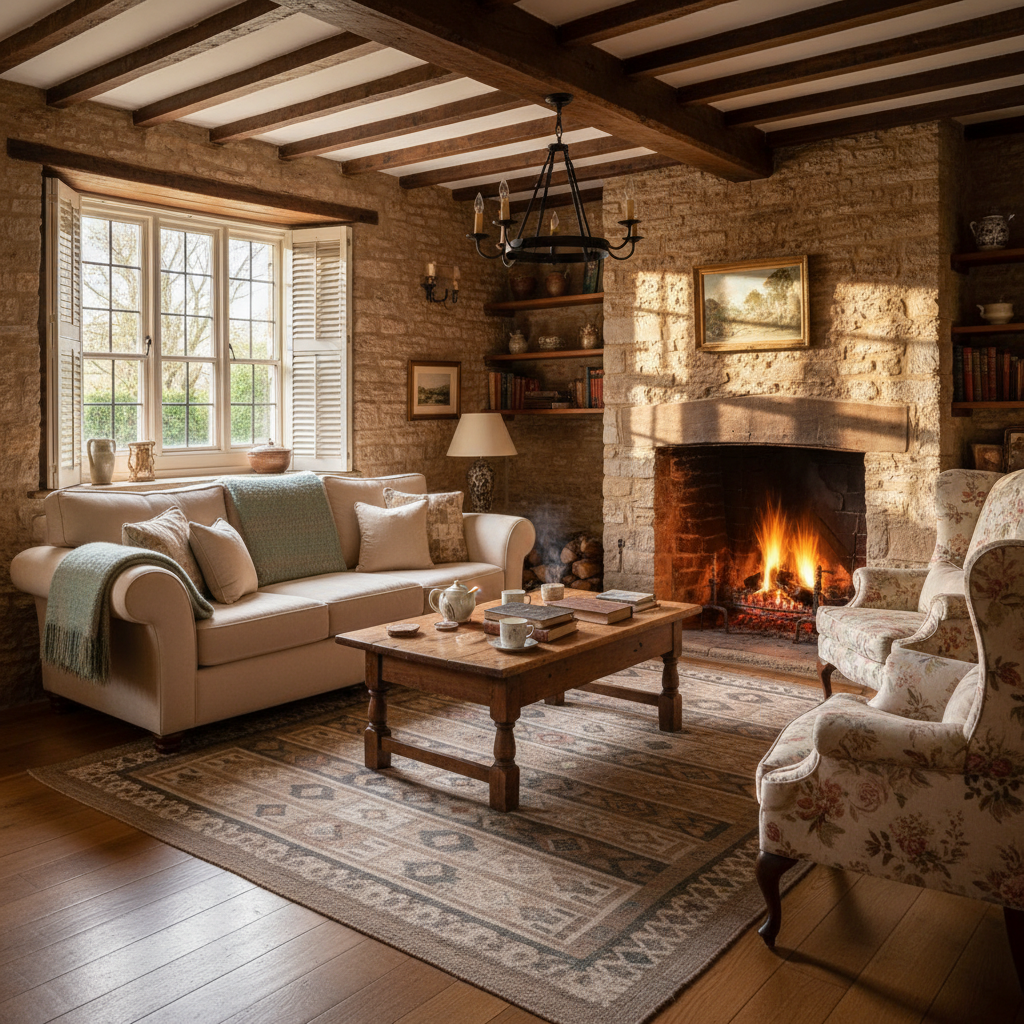
Gloucestershire presents unique environmental challenges. The damp conditions often found in the low-lying areas near the River Severn in Tewkesbury, or the biting winds that sweep across the Cotswolds towards Chipping Campden, can impact your window coverings. For farmhouse conversions, fluctuations in indoor humidity—especially in rooms with wood-burning stoves—can cause natural timber to expand or contract. Consistent shutter upkeep for period properties involves monitoring these environmental factors. By maintaining a stable room temperature, you help prevent the warping of timber louvres. During the winter months in Cheltenham, where period sash windows are common, ensure your shutters are not being forced against draughty window seals, which can put unnecessary pressure on the hinges and magnets.
Seasonal Maintenance Checklist for Your Shutters
- Spring: Inspect all hinges for signs of rust or loosening, especially in homes closer to the damp, humid environments of the Severn Vale.
- Summer: Ensure louvres are closed during the hottest part of the day to protect your interior flooring and furniture from fading.
- Autumn: Wipe down the frames with a dry cloth to remove any debris or cobwebs accumulated during the summer months.
- Winter: Regularly check that your shutters are opening and closing without obstruction, particularly in homes with older, drafty window frames.
If you live in a property with unique architectural features, such as the arched windows frequently found in Victorian homes near Gloucester Cathedral, bespoke shutters require a delicate touch. Always avoid forcing a shutter that feels 'stuck'—this is usually a sign that the frame has moved slightly, rather than a failure of the shutter itself. In such cases, professional adjustment is recommended to prevent permanent damage to the frame or the shutter panels.
When to Call a Professional
While DIY maintenance is excellent for general upkeep, there are times when professional intervention is required. If your shutters have suffered structural damage, such as a split louvre or a broken tilt rod, attempting a complex repair yourself could lead to further issues. At Sheilas Shutters, we understand the specific nuances of Gloucestershire architecture, from the narrow corridors of terraced housing to the expansive glass of modern barn conversions. If you find your shutters are no longer sitting flush or the tilt mechanism is unresponsive, our team can provide expert repairs to restore their original beauty and function. Maintaining the value and aesthetic appeal of your home is our priority. If you feel it is time for a professional check-up or are looking for advice on how to best care for your specific shutter style, please contact us today. We would be delighted to visit your home and ensure your shutters remain a stunning feature for years to come. Call us today on 01452 332 336 to book your free, no-obligation home survey.