Do Plantation Shutters Stop Draughts in Older Homes?
If you live in one of the grand Victorian or Edwardian townhouses around Montpellier in Cheltenham or a rustic farmhouse nestled in the valleys surrounding Nailsworth, you are likely familiar with the unique charm—and the persistent chill—of period properties. A common question we hear at Sheilas Shutters is: do plantation shutters stop draughts effectively enough to make a difference in our colder Gloucestershire winters? The short answer is yes. Beyond their aesthetic appeal, high-quality plantation shutters serve as a powerful secondary glazing alternative, acting as a functional thermal barrier that significantly reduces heat loss in heritage homes.
The Thermal Benefits of Energy Efficient Window Dressings for Period Homes
Period windows, particularly the classic sash designs found in Gloucester city centre or the tall bays of Charlton Kings, are notorious for their lack of seals. Over decades, timber frames shrink and shift, creating gaps where cold air infiltrates your living space. Energy efficient window dressings for period homes are no longer just a luxury; they are a necessity for modern comfort.
When you install bespoke plantation shutters, you are essentially adding a sturdy layer of premium wood over your window aperture. Because we measure each window to the millimetre, the shutter panels fit tightly within the frame. This creates a pocket of trapped air between the glass and the shutter, which acts as a natural insulator, slowing the transfer of heat from your room to the cold outdoors.
Insulating Old Windows in Gloucestershire: A Tailored Approach
Insulating old windows in Gloucestershire requires a bespoke solution because no two houses here are the same. A 1920s semi-detached in Longlevens has very different ventilation needs compared to a stone-built farmhouse in the Cotswolds.
The Challenge of Sash Windows in Montpellier
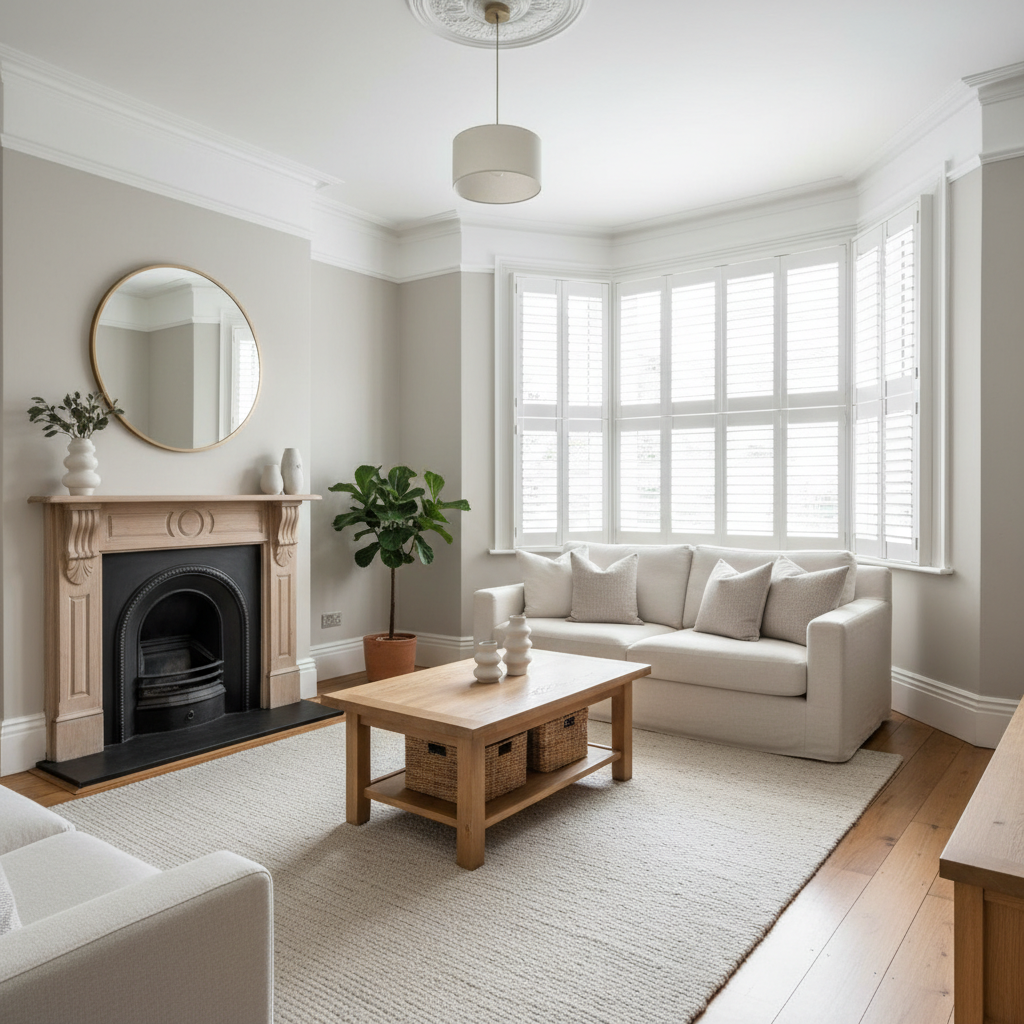
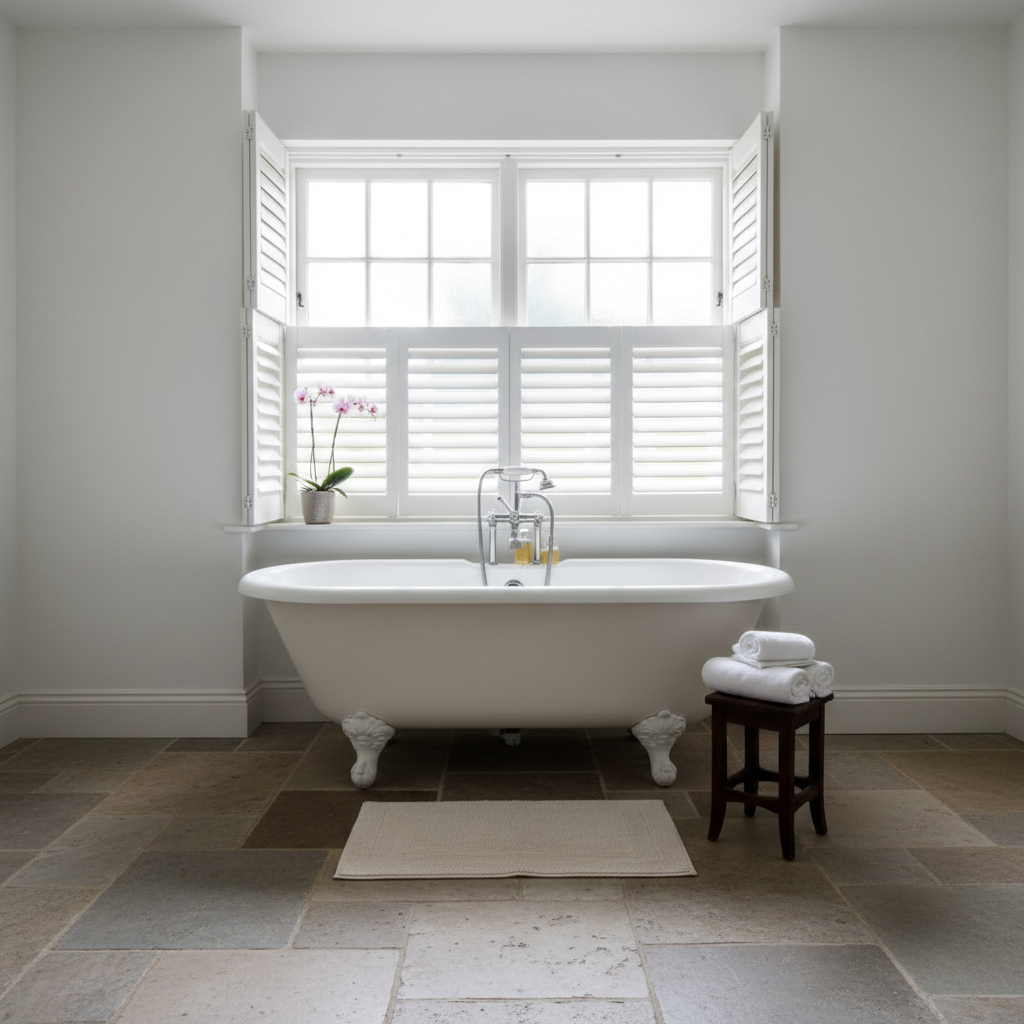
In areas like Montpellier and Pittville, the architectural heritage is defined by sash windows. These windows were designed for ventilation, not airtight sealing. By installing solid-core hardwood shutters, you provide a robust physical barrier that combats the convection currents that draw warm air out of the room. When closed during the evening, these shutters significantly improve the thermal efficiency of the entire room.
Farmhouse Conversions and Exposed Valleys
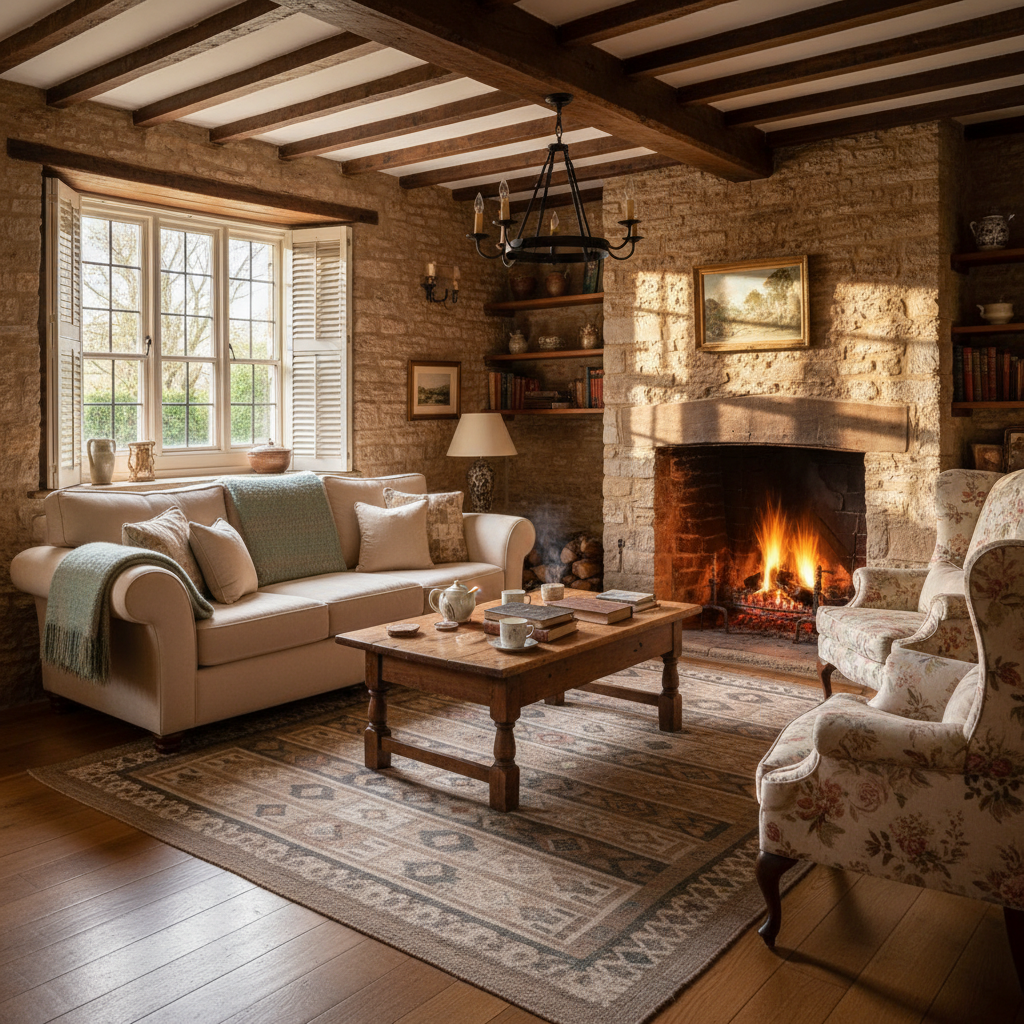
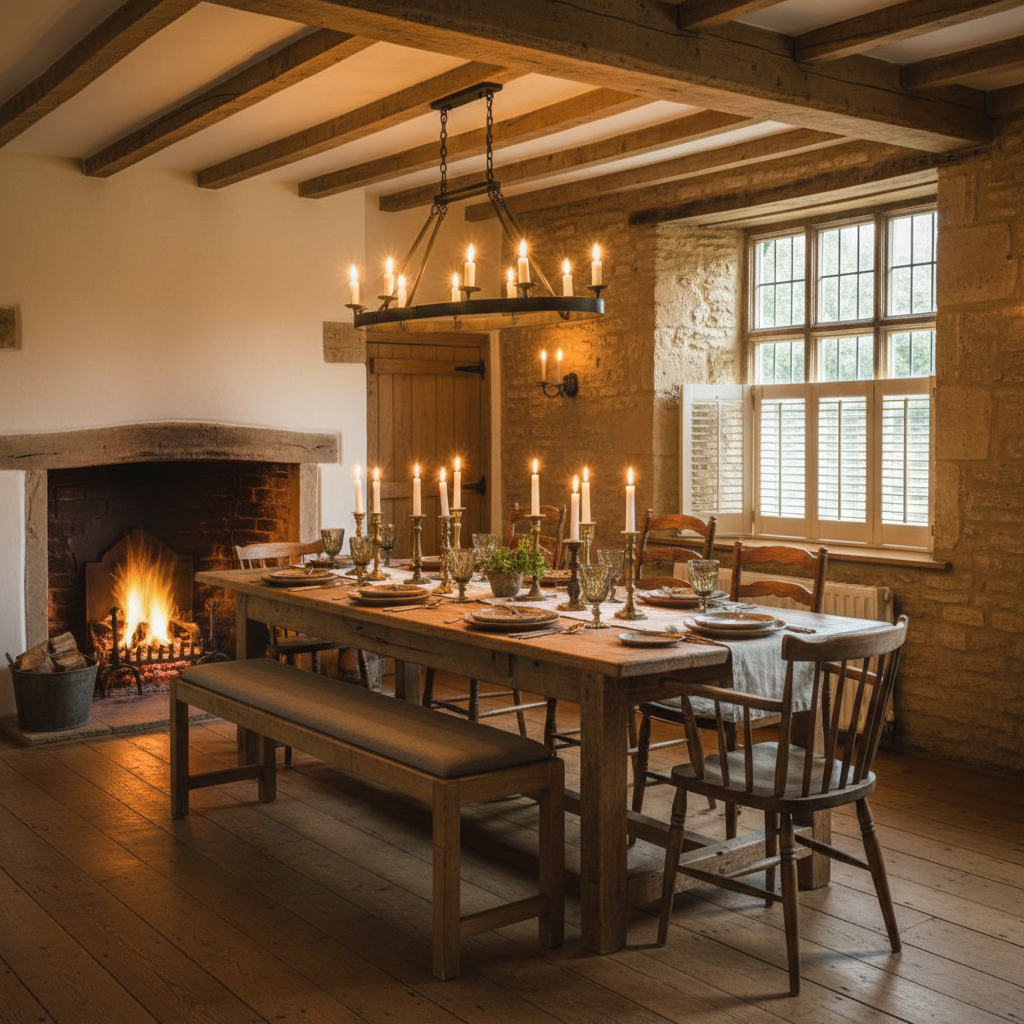
For those living in converted barns or farmhouses near Nailsworth or Stroud, the challenge is often exposure. High wind speeds across open fields exacerbate the draughts found in older properties. Plantation shutters offer a degree of protection that curtains simply cannot match. Unlike fabric, which allows air to pass through its fibres, the rigid structure of our shutters prevents the 'billowing' effect, keeping the warmth contained exactly where you need it.
Practical Tips for Maximising Thermal Efficiency
- Close early: As soon as the sun goes down, pull your shutters closed to lock in the day’s residual warmth.
- Adjust the slats: On sunny winter days, tilt the slats to allow solar gain, then close them completely when the temperature drops at dusk.
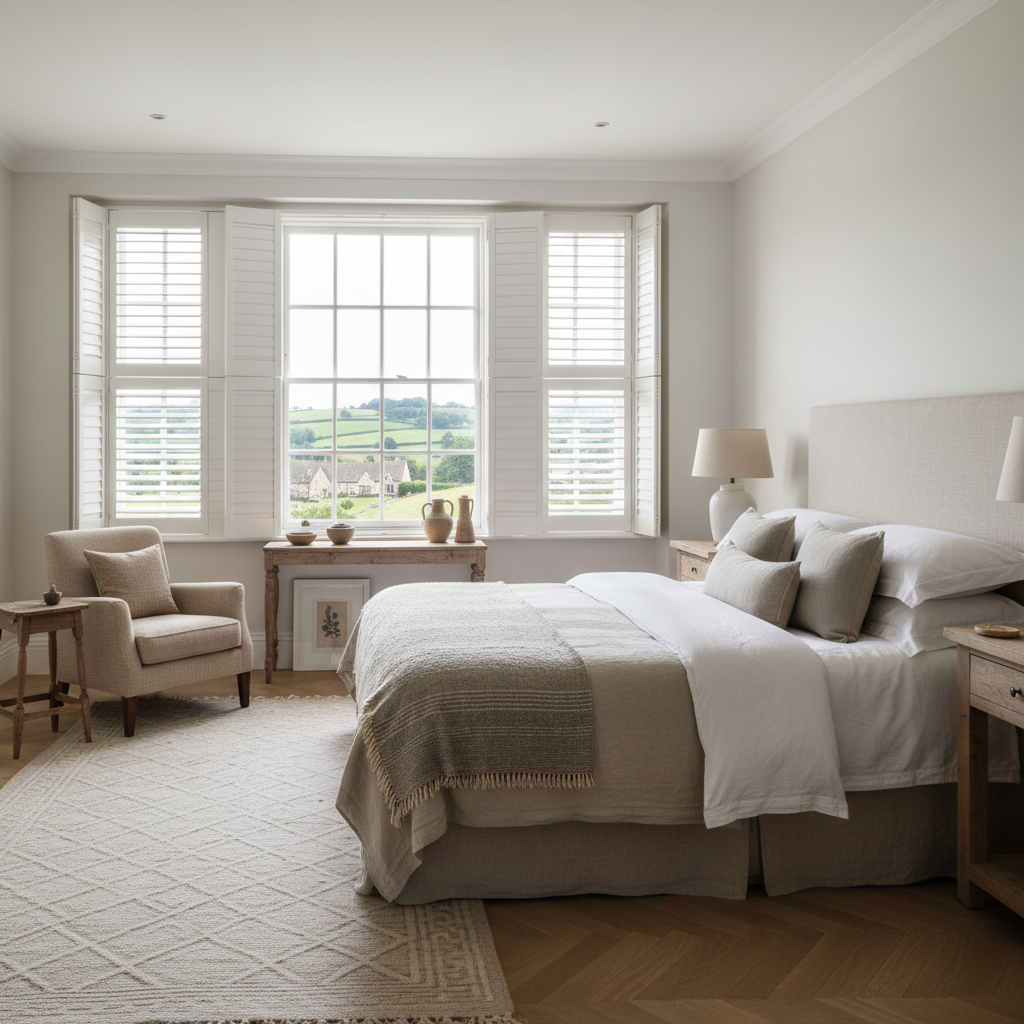
- Full-height designs: For maximum insulation in tall bedroom windows, opt for full-height shutters to cover the entire glass surface.
By treating your windows with the care they deserve, you can preserve the character of your property while enjoying a modern level of comfort. If you have been looking for a way to stop the draughts without compromising on the authentic look of your home, bespoke shutters are an investment that pays dividends in both comfort and energy savings.
Book Your Local Consultation
At Sheilas Shutters, we are passionate about helping Gloucestershire homeowners improve their living spaces. Whether you are in the heart of Gloucester or tucked away in a quiet Cotswold valley, we understand the specific nuances of your home's architecture. To discuss your project and see how we can help you insulate your windows, call our local team today on 01452 332 336 to book your free, no-obligation home survey.