Plantation Shutters vs Curtains: Which Provides Better Insulation for Gloucestershire Homes?
As the autumn chill rolls off the Cotswolds and settles over our historic towns, homeowners from Stroud to Cheltenham often find themselves grappling with the age-old question: how do we keep our homes warm? When comparing plantation shutters vs curtains for heat retention, the decision goes beyond simple aesthetics. For residents living in the region's diverse housing stock—from draughty 1930s semi-detached houses in Kingsholm to high-ceilinged converted barns in Tetbury—choosing the right window dressing is a critical thermal strategy.
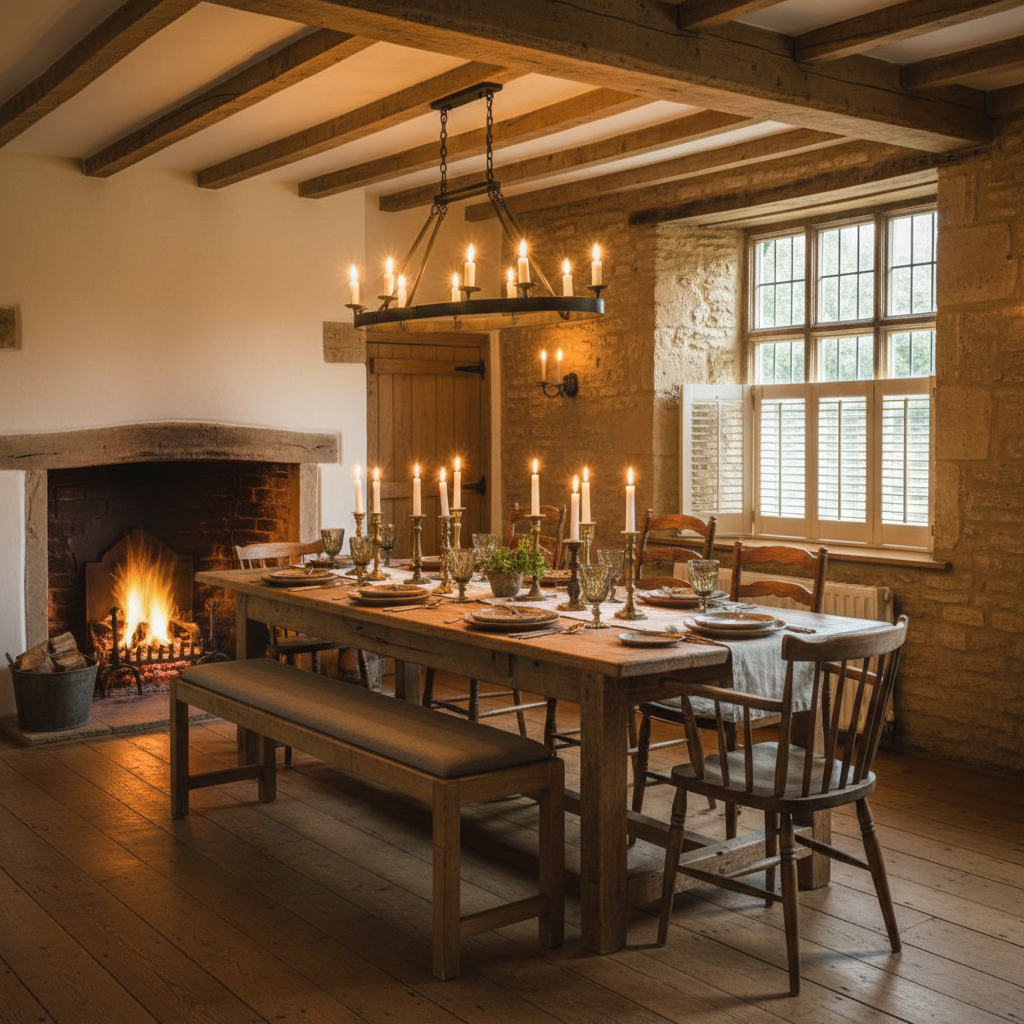
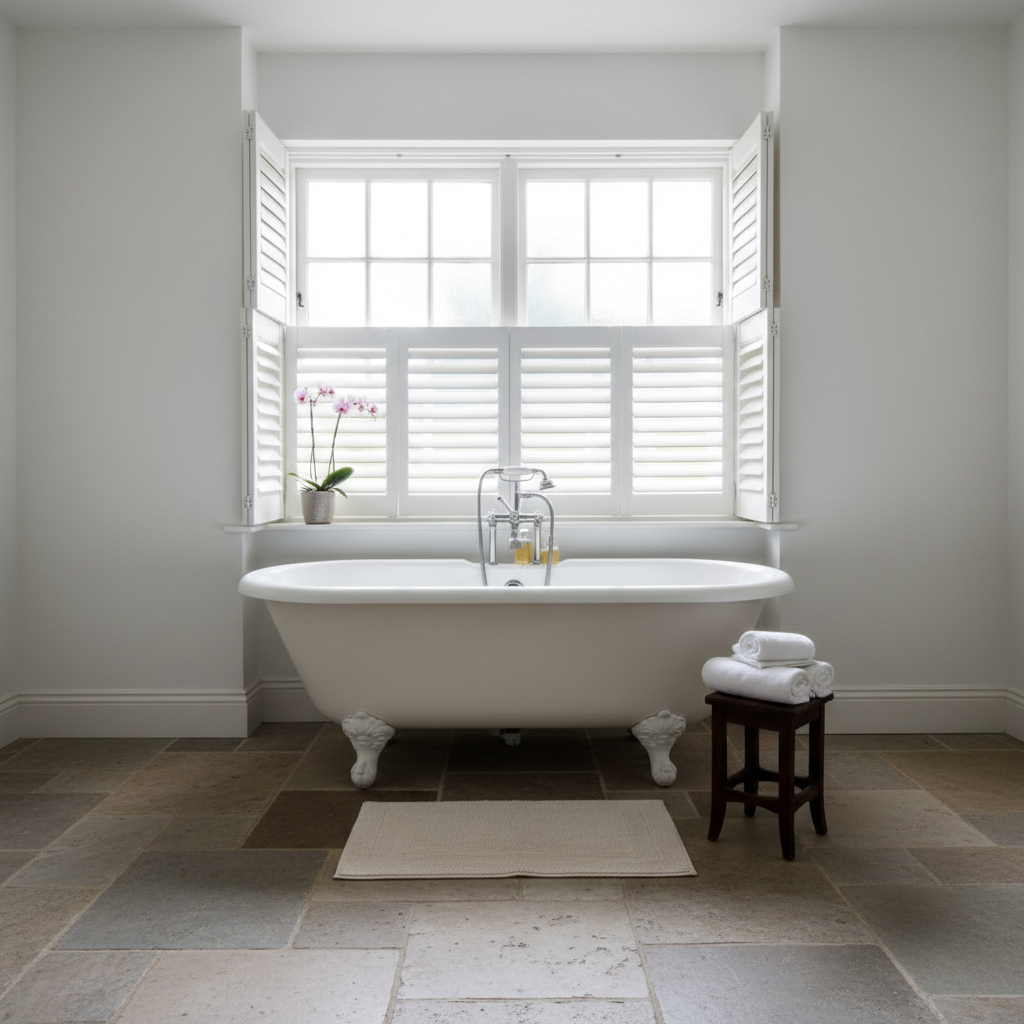
While heavy velvet curtains have long been the traditional choice for blocking out the cold, modern plantation shutters provide a rigid, custom-fitted barrier that significantly outperforms soft fabrics. By creating an insulating pocket of air between the glass and the room, shutters act as an effective secondary glazing system.
Insulating Window Dressings for 1930s Homes in Gloucestershire
Many homeowners in areas like Tredworth or the leafy avenues of Cheltenham reside in classic 1930s semi-detached properties. These homes are beloved for their character, but they are notorious for their original timber-framed windows, which are often the primary source of heat loss. When the wind whistles through the Stroud Valleys, thin curtains simply cannot stop the convective currents that pull warmth away from your living room.
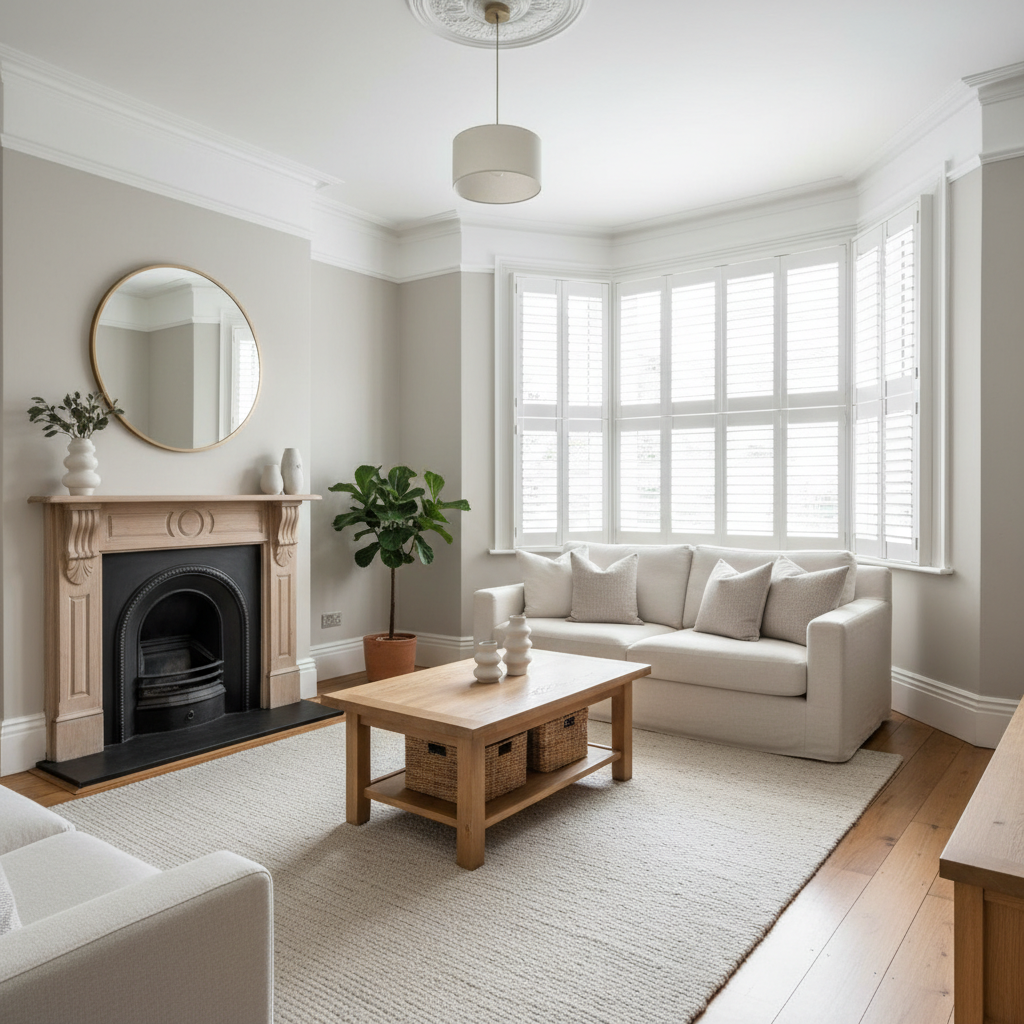
Shutters offer a bespoke solution. Because they are fixed directly into the window recess, they seal the gap more effectively than curtains, which often leave space at the edges or bottoms for air to circulate. By choosing high-quality hardwood shutters, you add a layer of solid material that reduces heat transfer. In a 1930s bay window, this can be the difference between a room that feels like a cold box and one that remains a cosy sanctuary throughout the winter months.
Shutters for Converted Barns: Managing Heat Loss in Large Spaces
The Gloucestershire landscape is dotted with stunning barn conversions, from the rolling hills near Painswick to the rural pockets surrounding Tetbury. While these properties offer incredible volume and light, they present unique thermal challenges. High ceilings and large, industrial-style glazing create significant heat loss profiles.
Using shutters for converted barns heat loss mitigation is a masterstroke in interior design. Because these properties often feature large, bespoke window shapes—including arches or gable ends—off-the-shelf curtains struggle to fit. Plantation shutters, however, are made to measure, covering the entire expanse of the glass without the bulk of heavy fabrics that can look cluttered in minimalist barn interiors. The adjustable louvres allow you to control sunlight during the day to harness solar gain, while closing them at night provides a robust barrier against the freezing night air common in rural Gloucestershire.
The Practical Advantages of Shutters Over Curtains
- Thermal Barrier: Shutters create a trapped air gap that acts as an extra layer of insulation, keeping heat inside during winter and reflecting solar heat away in the summer.
- Moisture Management: Unlike fabric curtains, which can absorb dampness from condensation-prone windows and lead to mould growth, high-quality painted shutters are easy to wipe clean and resist moisture.
- Precision Control: Curtains are usually 'all or nothing'. Shutters allow you to tilt the slats, letting in natural light while maintaining privacy and keeping a physical shield between you and the cold glass.
- Longevity: While curtains fade in the strong sun often found in south-facing Cotswold homes, shutters remain durable and retain their structural integrity for decades.
Making the Right Choice for Your Property
Whether you are renovating a Victorian townhouse near Gloucester Park or adding finishing touches to a modern build in Quedgeley, your choice of window dressing should reflect both the architecture and the local climate. While curtains are decorative and soft, they lack the structural thermal benefits required for the challenging Gloucestershire winters. Investing in plantation shutters is not just an aesthetic upgrade; it is a practical investment in the energy efficiency of your home.
If you are looking for advice tailored specifically to your windows—whether they are sash, casement, or large bespoke frames—our team at Sheilas Shutters is here to help. We have a deep understanding of local architectural styles and can guide you through the process of improving your home's thermal performance. To discuss your options, book a free, no-obligation home survey with us today by calling 01452 332 336.