Preventing Sun Damage and Humidity Issues: Seasonal Plantation Shutter Care for Gloucestershire Homes
Plantation shutters are a beautiful and practical addition to any home, offering both style and functionality. Here in Gloucestershire, with its charming period properties and increasingly diverse microclimates, understanding how to care for your shutters seasonally is key to preserving their elegance and extending their lifespan. Whether you’re in a sun-drenched detached home near Tewkesbury or a characterful cottage in the humid valleys of the Cotswolds, this guide will equip you with essential plantation shutter maintenance tips to prevent sun damage to window shutters and combat humidity, ensuring your investment continues to enhance your home for years to come.
The Gloucestershire landscape, from the rolling hills of the Cotswolds to the urban elegance of Cheltenham and the historic heart of Gloucester itself, presents unique environmental challenges. Strong summer sun can bleach and warp delicate wood, while the damp air, particularly prevalent in areas near the River Severn or in the more shaded valleys, can lead to swelling or mould growth. Proper seasonal care isn't just about aesthetics; it's about protecting the integrity of your shutters and maintaining their optimal performance.
Understanding Gloucestershire's Climate and Your Shutters
Gloucestershire's weather can be a tale of two extremes. Our summers can bring intense sunlight, particularly on south-facing windows in areas like The Park in Cheltenham, where delicate paint finishes can fade or wood can become brittle. Conversely, our winters and transitional seasons often involve high humidity, which can affect wooden shutters, especially those in older properties or near picturesque but damp rural settings. For those with beautiful period properties in Gloucester’s historic quarter or elegant townhouses in Montpellier, understanding these nuances is crucial for effective plantation shutter maintenance.
Sun Damage: The Silent Fader
Direct, prolonged sunlight is the primary culprit behind sun damage to window shutters. Over time, UV rays can:
- Fade paint colours, leaving a patchy appearance.
- Dry out wooden louvres, potentially leading to cracking or warping.
- Degrade the sealant or varnish, making the wood more susceptible to moisture.
Homes with large windows, like those found in many detached family homes in Brockworth or along the picturesque roads leading out towards Stroud, are particularly vulnerable. Even robust materials need protection.
Humidity: The Sweller and Warper
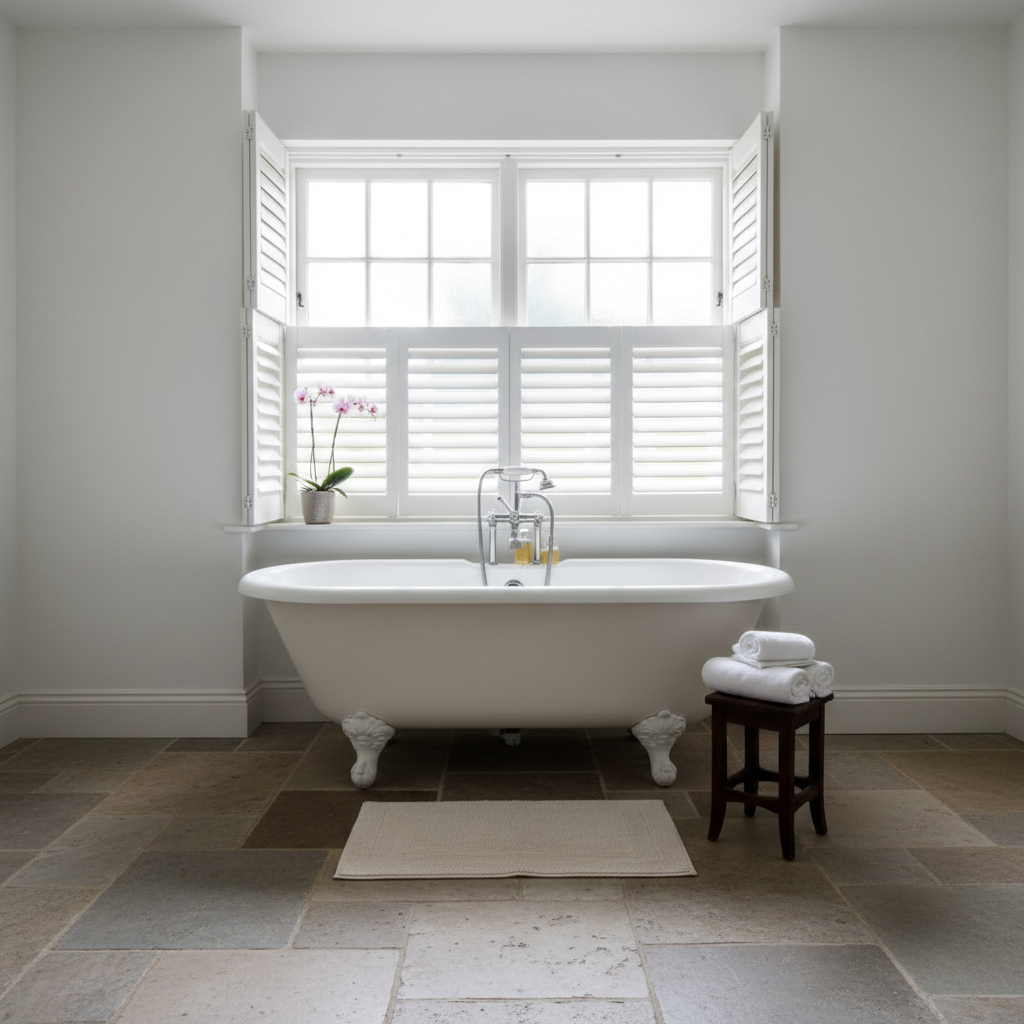
High humidity levels, common in rooms like bathrooms or kitchens, or in properties situated in low-lying areas, can cause wood to absorb moisture. This can result in:
- Shutters that are difficult to open or close due to swelling.
- Warping of louvres, affecting their ability to tilt evenly.
- The potential for mould or mildew growth in poorly ventilated areas.
This is a particular concern for cleaning wooden shutters in period properties, where original timber frames might be more sensitive to atmospheric changes.
Seasonal Plantation Shutter Maintenance: A Practical Guide
Implementing a seasonal care routine will ensure your plantation shutters remain a stunning feature of your home, no matter the weather.
Spring: The Refresh and Protect Phase
As we emerge from winter, it’s time for a thorough refresh. This is the perfect opportunity for detailed plantation shutter maintenance, especially when cleaning wooden shutters in period properties.
- Dusting: Begin with a thorough dusting using a soft, dry microfiber cloth. Ensure you get into all the nooks and crannies of the louvres and frames.
- Wipe Down: For most finishes, a slightly damp cloth followed by a dry one is sufficient. Avoid harsh chemicals or abrasive cleaners that can damage the finish. For stubborn marks, use a mild soap solution, testing it on an inconspicuous area first.
- Check for Damage: Inspect each shutter panel for any signs of wear, such as loose fittings, cracks, or peeling paint. Address minor issues promptly to prevent them from worsening.
- Lubrication: If your shutters feel stiff, a tiny drop of silicone-based lubricant on the hinges and tilt rods can work wonders.
Summer: Battling the Sun’s Rays
Summer is when we need to actively prevent sun damage to window shutters.
- Positioning is Key: Adjust your louvres to deflect the harshest direct sunlight. Angling them upwards can redirect light towards the ceiling, diffusing it more evenly and reducing direct UV exposure on furniture and flooring.
- Consider Window Films: For particularly vulnerable windows that receive intense afternoon sun, especially those in modern extensions or conservatories overlooking the Cotswold countryside, consider applying a UV-filtering window film. This is a discreet way to offer an extra layer of protection.
- Regular Cleaning: Continue with regular dusting to prevent sun-baked dust from becoming embedded in the finish.
Autumn: Preparing for Increased Humidity
As the weather turns damper, focus shifts to managing moisture and preparing for potential humidity issues, particularly relevant for homes in areas like the Severn Vale or within the denser woodland areas of the Forest of Dean.
- Deep Clean: Give your shutters a more thorough clean. Ensure all surfaces are dry before closing them fully, especially if you’ve used any moisture.
- Ventilation: Ensure good air circulation, especially in bathrooms and kitchens. Open windows when possible, or use extractor fans. This is crucial for plantation shutter maintenance in humid conditions.
- Check for Mould: Inspect edges and corners for any signs of mould or mildew. If found, clean the affected area immediately with a diluted bleach solution (1 part bleach to 10 parts water) and ensure the area is thoroughly dried afterwards. Always wear gloves and ensure good ventilation when using bleach.
Winter: Maintaining Performance and Preventing Damage
Winter demands vigilance against cold and damp, and ensuring your shutters continue to function smoothly.
- Gentle Operation: Operate shutters gently, especially in very cold or damp conditions, as wood can be more brittle or prone to sticking.
- Monitor Humidity: Use a hygrometer to monitor indoor humidity levels. Aim for a range of 40-50%. Dehumidifiers can be helpful in particularly damp periods or rooms.
- Inspect Frames: Pay attention to the frames and surrounding window areas for any signs of condensation build-up, which could indicate a need for better insulation or ventilation.
Specific Considerations for Gloucestershire Properties
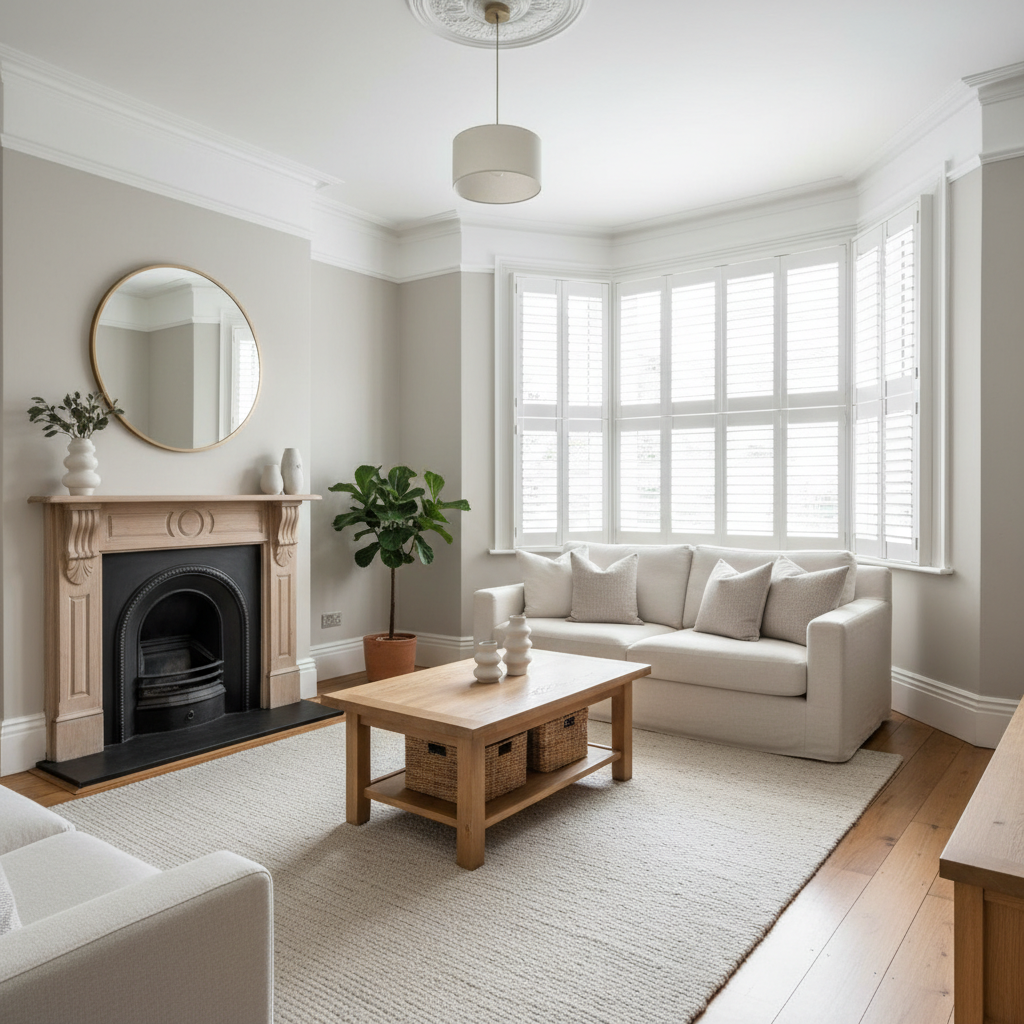
Period Properties: For the beautiful Georgian townhouses in Cheltenham’s Montpellier district or the Victorian homes in Gloucester’s Denmark Road, cleaning wooden shutters in period properties requires a gentle touch. Original timber and aged finishes may be more susceptible to harsh cleaning or extreme temperature fluctuations. Stick to the gentlest cleaning methods and focus on preventative measures like UV films for direct sun.
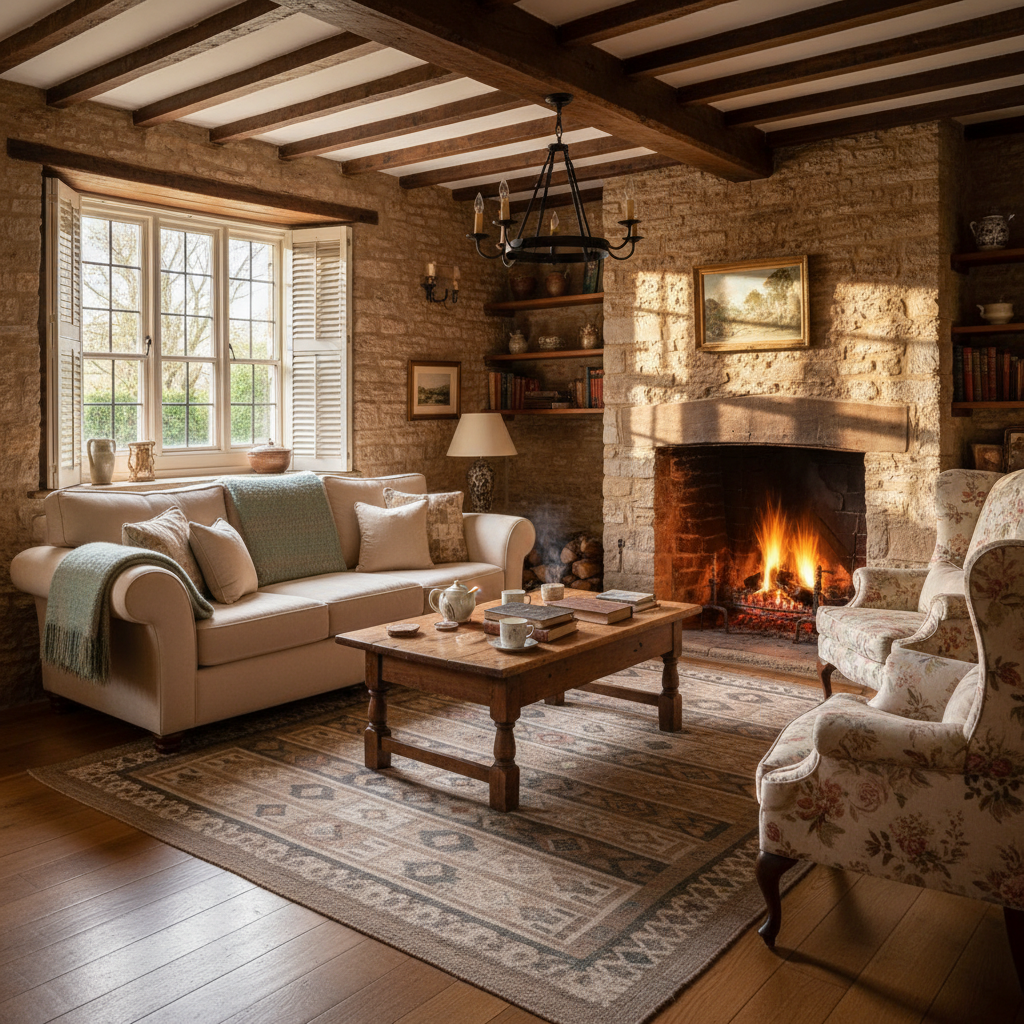
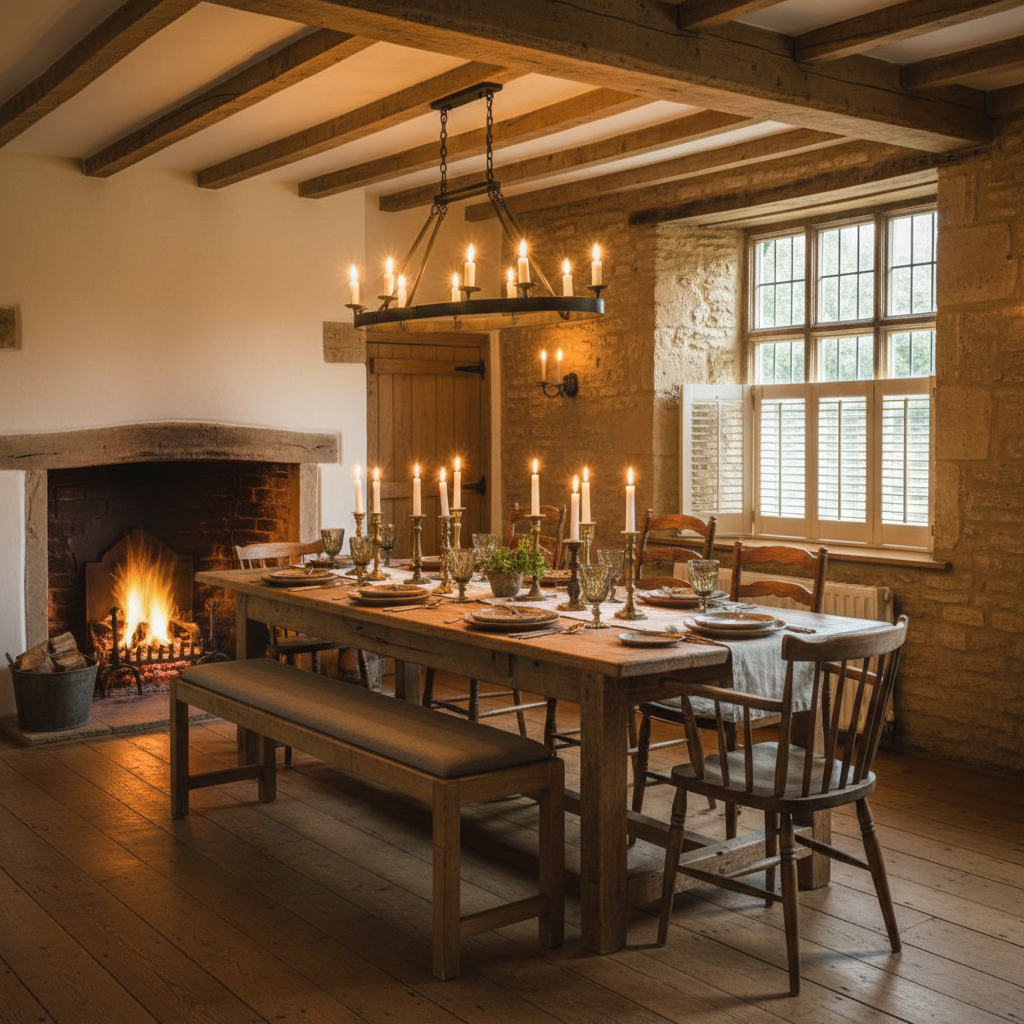
Cotswold Stone Homes: Homes built with Cotswold stone often have thicker walls that can retain moisture. Coupled with the natural dampness that can occur in valley locations, effective ventilation is paramount. Ensure your shutters are properly sealed and consider using dehumidifiers in rooms prone to condensation.
Modern Detached Homes: While often built with more contemporary materials, large windows in modern family homes, particularly those with south-facing aspects near Gloucester or the Cotswold Water Park, still require protection against UV degradation. Regular dusting and careful louver adjustment are key to prevent sun damage to window shutters.
By understanding your home’s specific needs and implementing these seasonal plantation shutter maintenance tips, you can ensure your beautiful shutters continue to provide privacy, light control, and aesthetic appeal for many years. They are a significant investment, and a little seasonal care goes a long way in protecting that investment and the character of your Gloucestershire home.
If you’re unsure about the best care for your specific shutters, or if you’re noticing signs of wear and tear, don’t hesitate to get in touch. Sheilas Shutters offers expert advice and solutions tailored to the unique requirements of homes across Gloucester, Cheltenham, and the wider Gloucestershire area. Book your free, no-obligation home survey today by calling us on 01452 332 336.